Buying a car in 2025 is more exciting—and more confusing—than ever before. With petrol, diesel, and electric vehicles (EVs) competing head-to-head, the choice goes beyond brand and style. Today, fuel type plays a huge role in long-term costs, convenience, and environmental impact. Let’s break down each option to help you decide which one fits your needs best.
Petrol Cars: The Reliable All-Rounder
Petrol cars have been the go-to choice for decades, and for good reason. They’re widely available, generally more affordable upfront, and easier to maintain compared to diesel or EVs.
Pros:
- Lower purchase price than diesel or EVs.
- Smooth, quiet engine performance.
- Lower maintenance costs compared to diesel.
- Widespread fuel availability.
Cons:
- Lower fuel efficiency compared to diesel.
- Petrol prices are volatile and often higher per litre.
- Higher carbon emissions compared to EVs.
Best for: Urban drivers, short to medium daily commutes, and buyers looking for affordability and simplicity without worrying about charging infrastructure.
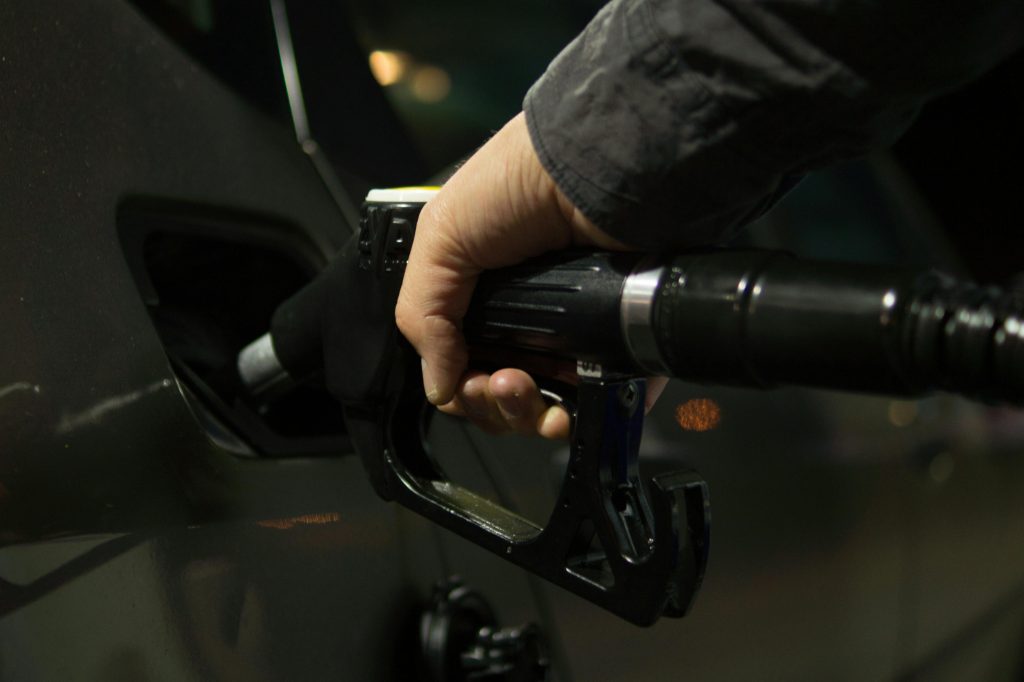
Diesel Cars: The Long-Distance Workhorse
Diesel vehicles have always been popular among people who drive a lot. Known for their fuel efficiency and strong torque, they’re particularly good for highways and heavy loads.
Pros:
- Higher mileage than petrol cars—ideal for long distances.
- More torque, making them great for SUVs and heavy vehicles.
- Longer engine life if maintained properly.
Cons:
- Higher upfront cost than petrol cars.
- Expensive maintenance and repairs, especially with modern emission systems.
- Stricter government regulations and possible bans in some cities due to pollution.
- Diesel fuel may not stay as widely available in the future.
Best for: Highway commuters, frequent travelers, and those who need power for towing or heavy loads.
Electric Vehicles (EVs): The Future on Wheels
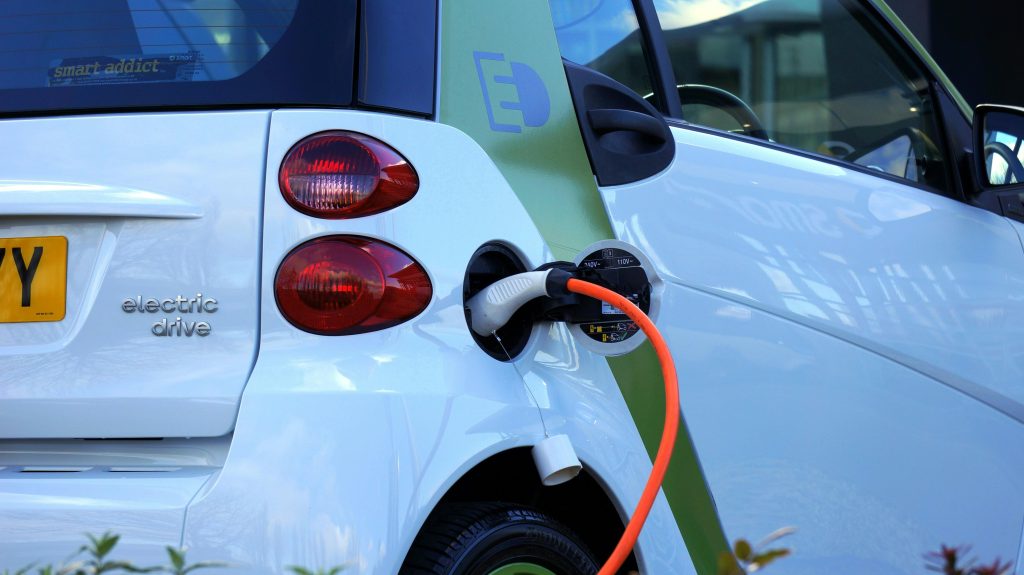
EVs are quickly shifting from futuristic to mainstream in 2025. With more charging stations, longer ranges, and government incentives, EVs are now a serious alternative to petrol and diesel cars.
Pros:
- Zero tailpipe emissions—environmentally friendly.
- Lower running costs (charging is cheaper than fuel).
- Minimal maintenance (fewer moving parts).
- Government subsidies, tax benefits, and incentives in many regions.
- Increasing range—many models now exceed 400–500 km on a single charge.
Cons:
- Higher upfront cost, though narrowing with subsidies.
- Charging infrastructure is still developing in some areas.
- Charging takes longer compared to a quick fuel refill.
- Battery degradation over years, though warranties usually cover this.
Best for: Eco-conscious buyers, city drivers, and those who want the latest technology and future-ready vehicles.
Which Should You Choose in 2025?
- Choose Petrol if you want a budget-friendly car for city driving and don’t travel long distances frequently.
- Choose Diesel if you drive long distances regularly, need high mileage, and prefer SUVs or larger vehicles.
- Choose EV if you’re future-focused, environmentally conscious, and want low running costs over time.

Final Thoughts
In 2025, your decision depends on your lifestyle more than anything else. If affordability and convenience matter most, petrol still makes sense. If long drives are your norm, diesel could be worth the higher cost. But if you want to embrace the future, save on running costs, and contribute to a greener planet, an EV might be your best investment.
At the end of the day, there’s no one-size-fits-all answer—but one thing is clear: the automotive world is moving towards electric, and it might just be the smartest choice if you’re thinking long-term.
Would you like me to make this more SEO-friendly with subheadings and keywords (like “best car in 2025” or “EV vs petrol vs diesel”) so it performs better as a blog post on your site?